Software de Estimación para Techos: Qué Buscar y Cómo te Ayuda a Cerrar Más Trabajos
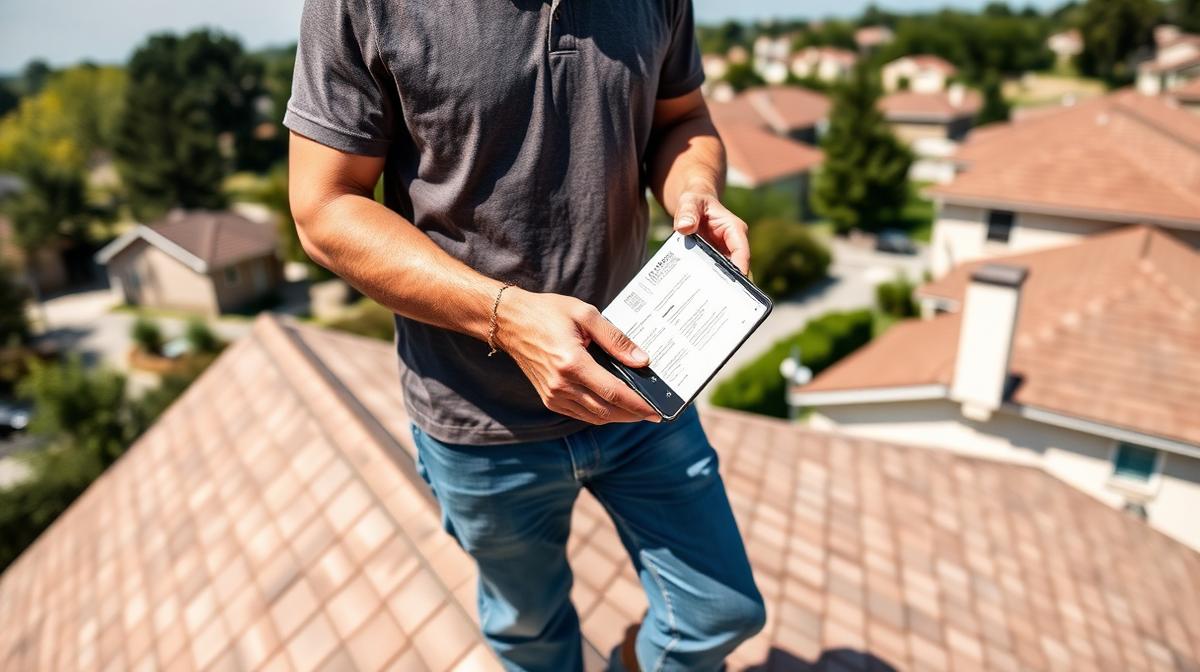
If you're still sending roofing estimates as PDFs, typing up estimates by hand, or copying and pasting numbers from a spreadsheet — you already know the process is slow. What you might not realize is how much it's actually costing you.
Roofing contractors who upgrade to dedicated estimating software don't just save time. They close more jobs, look more professional to homeowners, and spend less energy on the back-office work that nobody got into roofing to do.
This post breaks down what to look for when choosing roofing estimating software — and how the right tool changes the way you sell.
Why Roofing Estimates Matter More Than You Think
A roofing estimate is often the first real document a homeowner sees from you after showing up on-site. It tells them the scope of work, the cost, and — whether you intend it or not — how professional your operation is.
A messy estimate full of manual line items and no clear pricing structure sends a signal. So does a clean, detailed estimate that lays out options clearly and lets the homeowner sign on the spot.
Most contractors underestimate how much the estimate itself influences the close. It's not just a quote — it's part of the sale.
What to Look For in Roofing Estimating Software
1. Speed From Inspection to Estimate
The faster you can get an estimate in front of a homeowner after the inspection, the better your close rate. The job is fresh, they're still thinking about it, and you beat competitors who are slower.
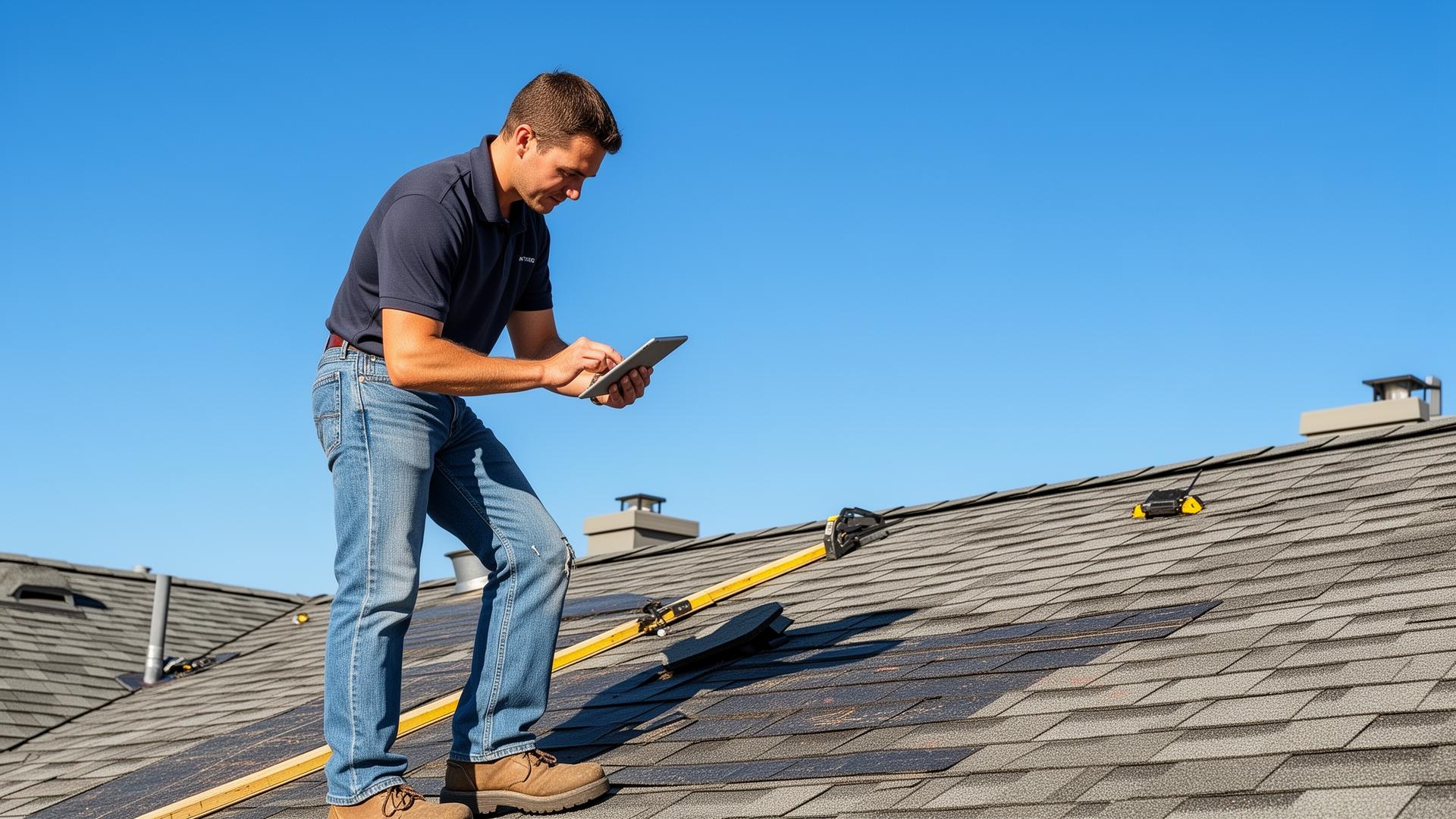
Look for software that lets you build an estimate from job photos and measurements without having to manually enter every line item from scratch. The goal is going from inspection to a sent estimate in minutes, not hours.
2. Good/Better/Best Pricing Options
One of the most effective things you can do on a roofing estimate is give homeowners options. A single-price estimate forces a yes or no decision. A tiered estimate — basic materials, mid-grade, premium — lets homeowners self-select and often results in upsells you never had to pitch.
Good estimating software should make it easy to build out tiered pricing without having to duplicate the entire estimate three times.
3. Supplier Pricing Integration
Manually looking up material costs and entering them line by line is where a lot of time gets wasted. Software that pulls in real supplier pricing means your numbers are accurate, your margins are protected, and you're not guessing on material costs when you're standing on a roof.
4. Digital Signatures and Payment Collection
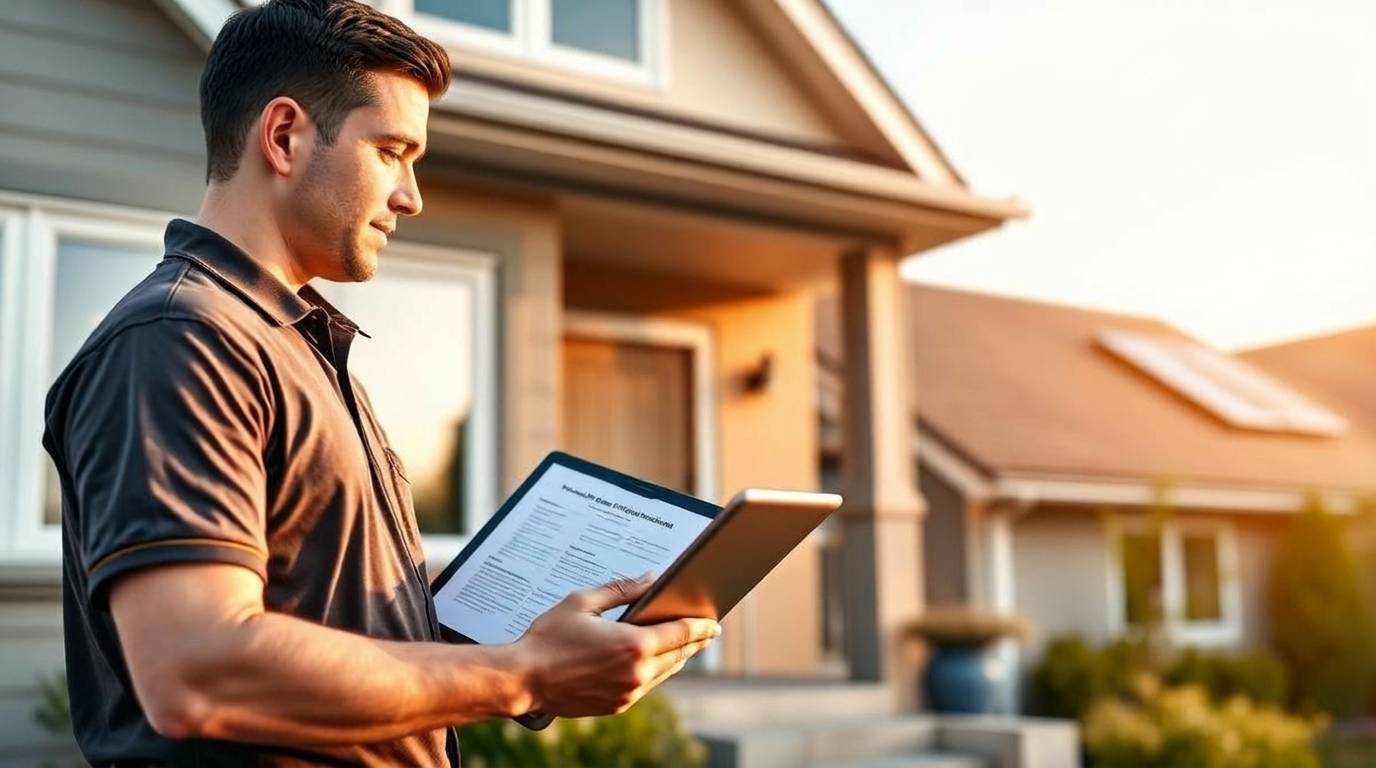
An estimate that requires a homeowner to print, sign, scan, and email back is going to slow your close rate. Digital signatures remove that friction entirely — the homeowner can approve the job from their phone while you're still in the driveway.
Even better if the software also handles deposit collection in the same flow. The fewer steps between "I want to hire you" and money in your account, the better.
5. No Training Required
Roofing crews aren't software engineers. If your estimating tool takes weeks to learn or requires you to be the only person who knows how to use it, it's a liability. Any team member — from an office admin to a crew lead — should be able to put together a professional estimate from day one.
6. Works for Any Job Type
Roofing isn't one thing. You might be quoting a full tear-off on a residential home in the morning and a commercial flat roof inspection in the afternoon. Your estimating software should handle both without requiring you to jerry-rig a workaround.
How Roofing Contractors Use Estimating Software to Close More Jobs
The contractors who get the most out of estimating software aren't just using it to save time — they're using it as a sales tool.
Here's how that looks in practice:
They send estimates faster than competitors. When two roofers show up on the same street after a storm, the one who gets a professional estimate to the homeowner first has a real advantage. Speed signals reliability.
They present options instead of a single number. Tiered pricing gives homeowners a sense of control. Instead of negotiating your price down, you're letting them choose their budget. That's a fundamentally different conversation.
They collect deposits the same day. Digital signatures and payment collection in one flow means a verbal "yes" turns into a signed contract and a deposit before the homeowner has time to call someone else.
They look bigger than they are. A polished, professional estimate makes a two-person roofing operation look like an established company. That matters to homeowners who are about to hand over a significant check.
Any team member can handle estimates. The owner isn't the bottleneck. A job gets inspected, photos get taken, and someone back at the office — or the crew lead on-site — can have an estimate ready to send without waiting on anyone.
The Bottom Line
Roofing estimating software isn't just an administrative upgrade. When you choose the right tool, it becomes part of how you sell — and it shows up in your close rate, your average job size, and the time you get back every week.
The best roofing estimating software turns a job site visit into a sent estimate in minutes, gives homeowners clear options, and gets you a signature without the back-and-forth.
If you want to see how XBuild handles roofing estimates — from job photos and measurements to Good/Better/Best pricing and digital signatures — check out the platform here.
¿Listo para Probar XBuild?
Obtén tu primer presupuesto con IA en 15 minutos. Sin tarjeta de crédito requerida.
Prueba XBuild gratis