Estimación de Reclamos de Seguro para Techos: Cómo los Contratistas Cobran Más Rápido y Obtienen Aprobación Más Pronto
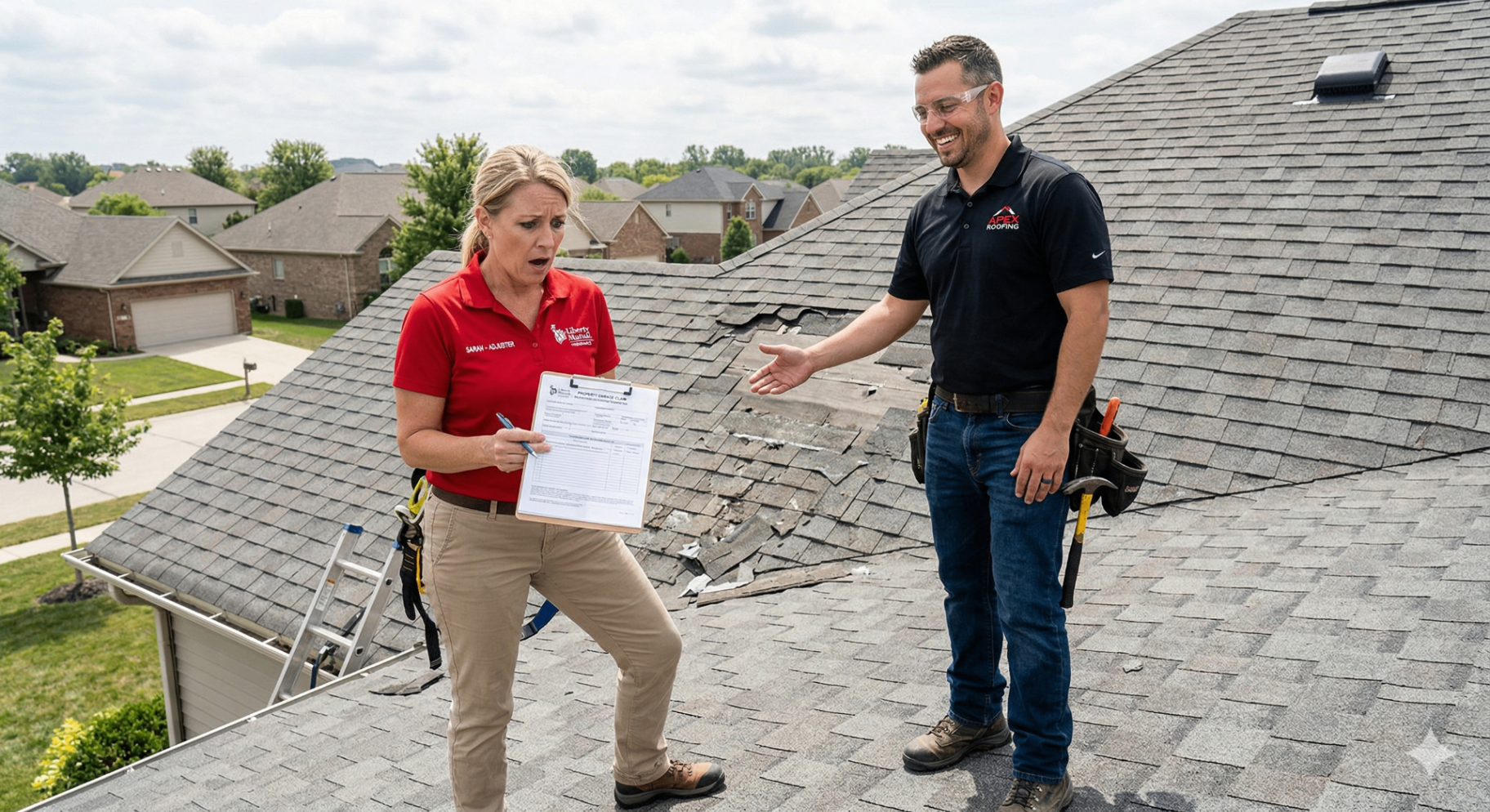
Insurance work is some of the most lucrative roofing you can do — but it's also where a lot of contractors leave money on the table. Not because the damage wasn't there, but because the roofing insurance claim estimate wasn't strong enough to back it up.
When an adjuster shows up on a job site, they're working from a insurance estimate. If you show up without one — or with a basic proposal that doesn't speak the same language — you're already at a disadvantage. The adjuster controls the number, and you're negotiating from a weak position.
The contractors who consistently get approved faster and get paid more are the ones who come prepared with a detailed, professional roofing insurance claim estimate before the adjuster even arrives.
Here's how to do that — and how XBuild makes it faster than you'd think.
Why Insurance Estimates Matter for Insurance Claims
insurance estimate is the industry-standard estimating software used by insurance carriers and adjusters across the country. When a claim gets filed, the payout is almost always based on insurance line items and pricing.
The problem is that most roofing contractors aren't insurance estimate experts. Learning the software takes time, and writing a detailed estimate from scratch on every claim job isn't realistic when you're running a crew.
But here's what most contractors don't realize: showing up to an adjuster meeting with your own insurance estimate changes the entire dynamic. Instead of waiting to see what the insurance company comes back with, you're presenting your scope — and the adjuster has to respond to your numbers instead of the other way around.
A strong estimate also reduces the back-and-forth that delays payment. When your scope is detailed, itemized, and formatted the way adjusters expect, approvals move faster.
The Problem With Most Contractor Estimates on Insurance Jobs
Most roofing contractors submit one of two things on insurance claims:
A basic proposal — a total number with a few line items. It doesn't map to insurance estimate codes, it's missing line items adjusters look for, and it gives the insurance company an easy reason to underpay or push back.
Nothing at all — they show up to the adjuster meeting and wait to see what number comes back, then spend weeks filing a supplemental roofing estimate trying to recover items that were missed or underpaid in the original scope.
Neither approach sets you up to get paid what the job is worth. And relying on a supplemental roofing estimate to fix a weak initial scope costs you time, delays payment, and puts you in a reactive position with the carrier.
How to Use XBuild to Write a Insurance Estimate
XBuild's AI can generate a insurance-formatted estimate for a roofing insurance claim — you just need to prompt the platform with the right job details.
Here's a step-by-step breakdown of how to approach it:
Step 1: Document the Damage on Site
Before you can write a strong estimate, you need solid documentation. Walk the roof and capture:
- Roof measurements and pitch
- Any secondary damage — decking, underlayment, ventilation, drip edge
- Notes on code upgrade requirements in your area (these are often missed and undersupplemented)
The more detailed your documentation, the stronger your estimate will be.
Step 2: Prompt XBuild With the Job Details
Once you have your documentation, open XBuild and prompt the AI with the specifics of the job. Include:
- Type and extent of damage
- Materials involved (shingles, underlayment, flashing, gutters, etc.)
- Any code upgrades that apply
- Carrier name if known (some carriers have specific requirements)
XBuild's AI will generate a insurance-formatted estimate with the line items and scope language adjusters expect to see.
Step 3: Review and Customize
Go through the estimate before you take it to the adjuster. Make sure:
- Line items match what you documented on site
- Code upgrades are included
- Nothing is missing that would require a supplement later
This is also where you can add your Good/Better/Best pricing options if the homeowner is considering upgrades beyond what insurance covers.
Step 4: Show Up to the Adjuster Meeting Prepared
Print or pull up your estimate on-site when the adjuster arrives. Walk them through your scope line by line. When your estimate is detailed and formatted correctly, the adjuster can't easily dismiss it — they have to engage with your numbers.
Contractors who do this consistently report faster approvals and fewer supplement battles because the scope is already established upfront.
Step 5: Send the Proposal and Collect the Signature
Once the claim is approved, your XBuild estimate converts directly into a proposal you can send to the homeowner for signature. No rebuilding the document from scratch — the work is already done.
Digital signatures mean the homeowner can approve from their phone, and you can collect a deposit in the same flow.
When You Still Need a Supplemental Roofing Estimate
Even with a strong initial roofing insurance claim estimate, there are times when a supplemental roofing estimate is necessary. Hidden damage found during tear-off, code upgrade requirements that weren't accounted for, or items the adjuster missed on the first inspection can all require a supplement.
The key is that a well-documented initial estimate minimizes how often you end up in supplement territory — and when you do need one, having your original scope detailed in insurance format makes it much easier to identify exactly what was missed and build a clean supplemental roofing estimate to submit to the carrier.
XBuild can generate supplemental estimates the same way as the original — just prompt the platform with the additional scope items and it produces a formatted estimate you can submit directly.
Real-World Example
A roofing contractor gets a call after a hailstorm. They inspect the roof, document the damage with photos and measurements, and prompt XBuild to generate a insurance estimate before the adjuster appointment.
They show up to the adjuster meeting with a complete, itemized scope. The adjuster reviews it, the claim gets approved with minimal pushback, and the contractor sends the homeowner a proposal for signature that afternoon.
Compare that to the contractor who shows up empty-handed, waits two weeks for the adjuster's number, and spends another two weeks supplementing items that were missed.
The difference isn't luck. It's preparation — and having the right tool to build a professional estimate fast.
The Bottom Line
Insurance roofing is a volume game. The contractors who win at it are the ones who move fast, document well, and show up with estimates that hold up under scrutiny.
XBuild gives you the ability to generate a insurance-formatted estimate using AI — without needing to be a insurance estimate expert yourself. Any team member can prompt the platform with job details and have a professional estimate ready before the adjuster arrives.
If you want to see how XBuild handles insurance claim estimates, check out the platform here.
¿Listo para Probar XBuild?
Obtén tu primer presupuesto con IA en 15 minutos. Sin tarjeta de crédito requerida.
Prueba XBuild gratis